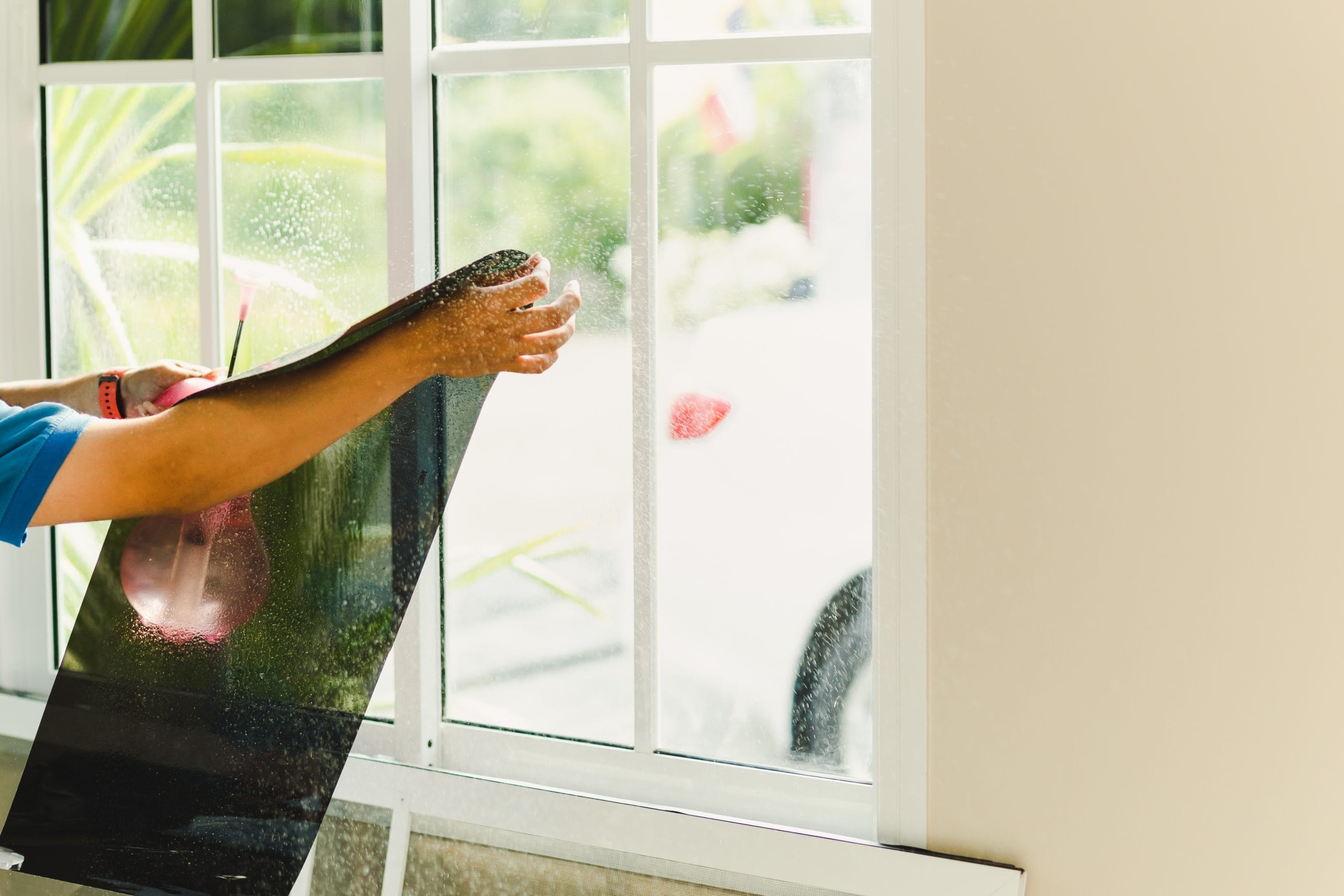
Will Window Tinting Make Your House Too Dark? Debunking the Biggest Myth
As spring approaches and summer gets closer, you may be…

Investing in residential window tinting can help make your home more comfortable, reduce glare and limit UV exposure. But before installing window film, there’s one important question homeowners often ask: How long will it actually last?
The good news is that quality window tinting can provide years of benefits when properly installed and maintained. Understanding its expected lifespan, warranty coverage and maintenance requirements can help you get the most from your investment.
Residential window tinting typically lasts 5–10 years, depending on the type of film, installation quality, and environmental conditions.
However, not every window film will have the same lifespan. The materials used, amount of sunlight received and how the film is maintained can all influence its long-term performance.
Different window films are manufactured using different materials and technologies. Choosing a quality product suited to your property’s requirements can contribute to better long-term performance.
Windows receiving intense direct sunlight may experience different levels of wear compared with those in shaded areas. The direction your windows face and the amount of daily sun exposure can influence how the film ages.
Correct installation plays an important role in how well window film performs over time. Proper glass preparation, film selection, and application help reduce the risk of premature peeling, bubbling, and adhesive problems.
Using abrasive cleaning tools, harsh chemicals or sharp objects can damage the film’s surface. Following the recommended cleaning instructions helps maintain its appearance and condition.
Even well-maintained window film can eventually show signs of ageing.
Common warning signs include:
If you notice these problems, a professional can assess whether the affected film needs replacing.
A warranty provides additional reassurance, but it’s important to understand that the warranty period and expected lifespan are not necessarily the same.
Warranty terms depend on the manufacturer, film type, and installation requirements. Some warranties may cover specific issues such as peeling, bubbling, adhesive failure, or discolouration.
Before installation, ask what your warranty includes, how long it remains valid and whether any maintenance conditions apply.
Looking after your window film doesn’t have to be complicated.
Avoid cleaning newly installed window film for at least 48 hours, or longer if recommended by your installer. Some films require additional curing time depending on environmental conditions.
Clean the surface with a soft microfibre cloth and a cleaning solution approved for your particular window film. Avoid abrasive pads, sharp scrapers, and unsuitable chemicals.
Occasionally inspect the film for lifting edges, bubbling, or other changes. Identifying problems early allows you to seek professional advice before further deterioration occurs.
When considering residential window tinting for a Gauteng home, where windows take strong year-round sun, it’s worth looking beyond the initial installation cost.
A suitable film can help manage solar heat, reduce glare, and limit UV exposure over several years. Choosing the correct product, having it professionally installed and maintaining it properly can help you enjoy those benefits throughout its service life.
With an expected lifespan of 5–10 years, residential window tinting can be a worthwhile addition to your home when the right film is selected and properly maintained.
At Gauteng Glass Tint, we help homeowners find suitable Residential Window Tinting solutions based on their windows, property requirements, and long-term needs.
Considering window tinting for your home? Contact Gauteng Glass Tint to discuss your options, installation requirements, and available warranty information.
For more window tinting advice, helpful tips and completed projects, visit Gauteng Glass Tint on Facebook and Instagram.